


Why Music Education Matters for Everyone
- Cosmin Codreanu

- Jul 24, 2025
- 4 min read
Music is a universal language that transcends boundaries and brings people together. The significance of music education in our lives cannot be overstated. It nurtures creativity, emotional expression, and critical thinking. In a world that is becoming increasingly reliant on technology, the value of music education has become more essential than ever. This post explores the many reasons why music education matters for everyone.
Importance of Music Education
The benefits of music education extend beyond learning to play an instrument or read notes. Research shows that engaging with music has profound effects on brain development. A study published in Neuroscience confirms that children who participate in music education show improvements in various cognitive skills, including memory and language.
Moreover, music education fosters social skills. When students collaborate in a band or choir, they learn teamwork and respect for others’ contributions. These experiences are invaluable, as they mirror workplace dynamics later in life. Young musicians also gain confidence, as they frequently perform in front of others. This practice in public speaking can help them in various areas, including academics and future careers.
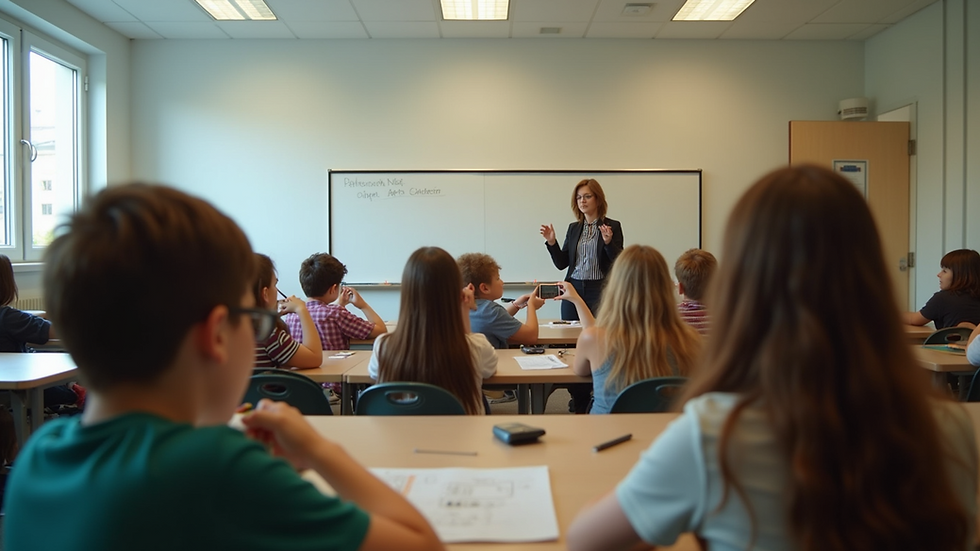
How Music Education Enhances Academic Performance
Several studies indicate that students involved in music education tend to excel academically. A report from the Arts Education Partnership found that music education enhances skills in mathematics, literacy, and critical thinking. For example, learning rhythms can improve a student’s ability to understand fractions, while practicing scales can enhance reading skills.
The arts are not typically linked with traditional subjects, yet those who participate in music often score higher on standardized tests. According to the College Board, students involved in music outperform their non-musical peers by a significant margin. Therefore, integrating music education into the curriculum can offer students a holistic approach to learning that encourages success across subjects.

What Do You Do in Music Education?
In music education, students engage in a variety of activities designed to enhance their musical skills. Classes may include learning an instrument, singing, composition, and music theory. Each area contributes significantly to a well-rounded understanding of music.
Instrumental Skills: Students can learn to play instruments like the piano, guitar, or violin. Mastering an instrument requires discipline and practice, which helps develop their work ethic.
Vocal Training: Singing classes encourage students to explore their vocal range and develop their personal style. This promotes healthy breathing techniques and self-expression.
Composition and Songwriting: Music education also allows students to create their own music. This fosters creativity and a personal connection to their work.
Music Theory: Understanding music’s structure helps students appreciate compositions. They learn about scales, harmony, and relationships between notes, giving them deeper insights into music they listen to.
By participating in these activities, students gain a multifaceted understanding of music that enriches their lives and enhances their self-esteem. Engaging in music education also nurtures emotional intelligence as students share their creations with their peers.

The Role of Music Education in Emotional Development
Music is not just about notes and rhythms; it is a powerful emotional outlet. Through music education, students have the opportunity to express complex emotions in a safe environment. This emotional engagement fosters empathy and better interpersonal relationships.
Listening to and performing music can also act as a stress reliever. Many studies indicate that music can significantly reduce anxiety and improve mood. For students, especially those navigating the challenges of adolescence, engaging in music can be a vital coping mechanism.
Furthermore, music education promotes cultural awareness. Songs often reflect stories, traditions, and emotions tied to different cultures. By studying various music forms and styles, students gain insight into diverse communities, promoting respect and understanding.
How to Get Involved in Music Education
Getting involved in music education is easier than ever, thanks to various programs and resources available. Here are some actionable recommendations for parents, educators, and students:
Join Local Music Programs: Many schools and community centers offer music classes for all ages. Find a program that fits your schedule and interests.
Online Resources: Websites like Harmonic Pathways provide valuable tools and lessons for those eager to learn. Online classes can fit into various lifestyles, allowing for flexible participation.
Instrument Rental: For beginners, renting an instrument can be a cost-effective way to start. Many music stores offer rental programs that allow students to try different instruments.
Participate in Workshops: Attend workshops led by music educators to gain hands-on experience. These are great opportunities for learning and networking.
Support Music Programs: Advocate for music education in schools by discussing its benefits with teachers and administrators. Your support can help sustain or expand current programs.
Getting involved in music education can yield lifelong benefits, including improved academic performance, emotional resilience, and creative expression.
The Musical Future: Our Shared Responsibility
As we delve into the importance of music education, it’s crucial to understand that it is a communal responsibility. Schools, parents, and the community at large must advocate for music programs, recognizing their importance in shaping a well-rounded individual.
Investing in music education equates to investing in our future. A society enriched by art and creativity is not only innovative but also compassionate. Music fosters connections and brings joy, which is something we all need more of in today’s world.
By emphasizing the importance of music in our educational systems, we prepare future generations to be not just skilled individuals but also thoughtful citizens who appreciate culture and creativity. Let us work together to ensure that music education remains a priority for everyone.
In summary, music education is not just for a select few; it matters for everyone. It enriches lives, fosters emotional and cognitive skills, and connects diverse communities. By promoting and participating in music education, we can create a harmonious future filled with creativity and understanding.


Comments